Menopause information hub

Breast Screening and Mammograms

What is a mammogram?

What is a mammogram?

A mammogram is a specialised X-ray examination of the breast. It is a screening tool used to detect and diagnose breast diseases, particularly breast cancer. Mammograms can reveal tumours or abnormalities in the breast tissue that may be too small to be felt during a physical examination.

What are the types of mammogram?2 main types of mammogram exist:
This is used for routine breast cancer screening in women who have no apparent symptoms. It involves taking X-ray images of each breast from different angles to detect any abnormalities.
This is performed when there are signs or symptoms of breast cancer, such as a lump, pain, nipple discharge, or a change in breast size or shape. Diagnostic mammograms may involve additional views or specialized imaging techniques to provide more detailed information.
icon
Any symptoms or concerns, always consult your Doctor

We have close links with breast specialist consultants and can refer you for screening mammograms or more in-depth family history and risk factor assessments.

Mammograms

What to expect

  1. Book an appointment: You will be contacted by the NHS breast screening service to book an appointment. Screening usually starts around the age of 50 years and occurs every 3 years, unless you have additional risk factors such as a strong family history or genetic predisposition.
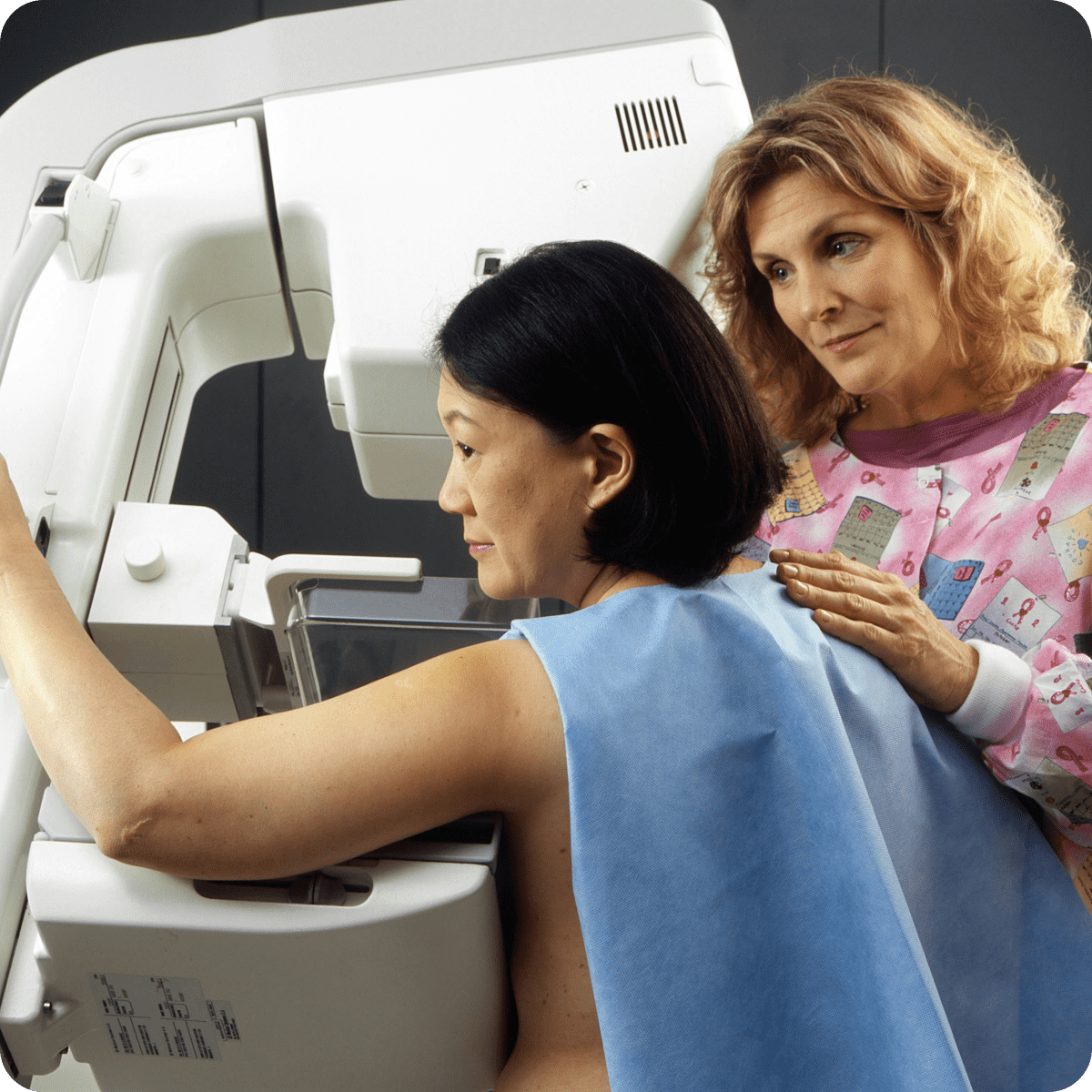
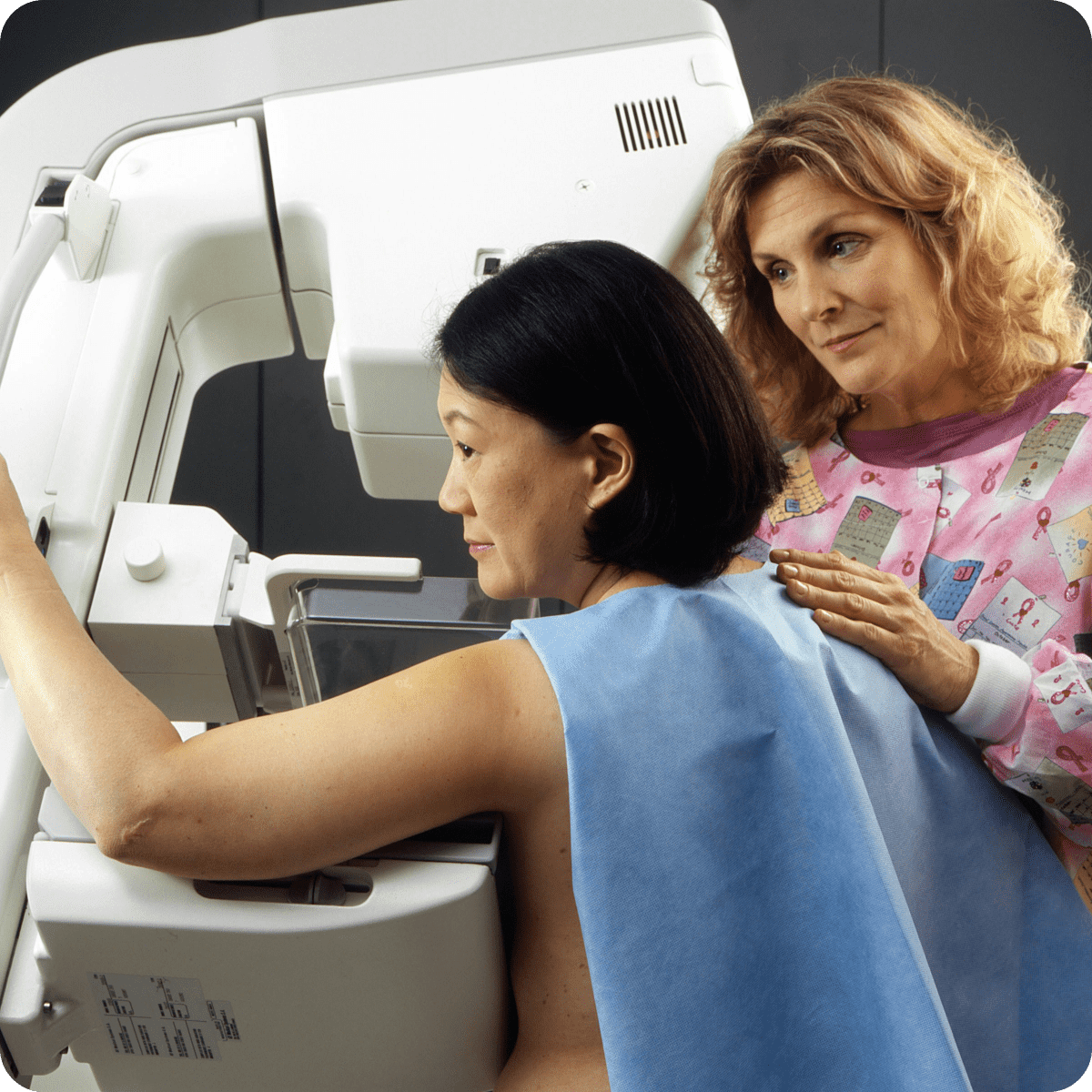
  2. Wear comfortable clothing: For the procedure, you will be naked from the waist up so wearing a two-piece outfit rather than a dress can make the process more convenient. You may be given a hospital gown to wear.
  1. Breast compression: The mammographer will place your breast onto the x-ray machine. The machine procedure involves compressing your breast between two plastic plates to obtain clear X-ray images. This may cause temporary discomfort but is necessary for accurate results.
  2. Multiple images: X-ray images will be taken from different angles to ensure a thorough examination.
  • Get your results: The results of your mammogram will usually be sent to you through the post within a few weeks of the appointment.
  • Book in for regular screening: Women are typically recommended to undergo regular mammograms, usually starting at age 50 (or earlier if they have a family history of breast cancer or other risk factors). The frequency of screening may vary based on individual risk factors and medical history but is every 3 years in the UK.
  • Check your own breasts: Perform regular breast self-exams at home and report any changes to your doctor.
  • Know your family history: Inform your healthcare provider if you have a family history of breast cancer as you may benefit from enhanced screening.