


PCOS and Hormone Care
PCOS and Hormone Care
If you’ve been told to “just lose weight”, you’re not alone — and PCOS is rarely that simple.
If you have a history of polycystic ovary syndrome or features suggestive of hormonal imbalance, we provide personalised hormone care that takes your wider hormonal background into account. Our focus is on understanding how your symptoms, cycle patterns and metabolic health fit together, and supporting you with thoughtful, evidence-based treatment.
Our specialist doctors look at the bigger picture, including hormones, metabolism, cycle changes and long-term health. We take time to explain what may be contributing to your symptoms and build a structured plan you understand and feel confident in, with follow-up as your needs evolve.


BMS accredited doctors, available online

Personalised medication delivered

A support team to help coordinate your care
Spread the cost of your care with Klarna
BMS accredited doctors, available online
Personalised medication delivered
A support team to help coordinate your care
Spread the cost of your care with Klarna


PCOS can feel confusing - but it doesn't have to be
PCOS affects around 1 in 10 women of reproductive age.
PCOS can affect every part of life, from periods and hormones to energy, confidence, emotional wellbeing, and so much more. For many women, it takes years to get clear answers, and symptoms are often managed in isolation.
As you move into perimenopause and menopause, the picture can feel even less clear. Hormone levels shift, cycles change, and it can be difficult to untangle what reflects menopause and what may relate to your underlying hormonal pattern.
Our specialist, doctor-led service care starts with listening. We take time to understand your history of PCOS within the context of your current menopause stage — considering your symptoms, hormone balance, metabolic health, cholesterol, insulin sensitivity and long-term wellbeing.
Polycystic Ovary Syndrome (PCOS) is a common hormonal condition that affects how the ovaries function and how the body responds to hormones such as insulin.
PCOS is diagnosed based on a combination of features (at least two of these characteristics), which may include:
- Irregular or absent ovulation
- Raised testosterone ("male‑type") hormone levels
- Changes in ovarian appearance on ultrasound
Not everyone with PCOS experiences all or the same symptoms. PCOS is not caused by lifestyle alone, and it is not something you have caused.
PCOS can affect ovulation, which may make it harder to conceive for some women. However, many women with PCOS do become pregnant, either naturally or with support.
Fertility‑focused care may include:
- Support to optimise cycle regularity and ovulation
- Medication where appropriate
- Referral to fertility specialists when needed
Care is always guided by your goals and life stage.
PCOS is associated with an increased risk of certain long‑term health conditions, particularly when periods are very infrequent or insulin resistance is present.
These include:
- Type 2 diabetes
- High cholesterol
- Cardiovascular disease
- Thickening of the womb lining (endometrial hyperplasia)
Regular review and proactive management can significantly reduce these risks.
PCOS does not end with age or pregnancy. Hormonal patterns change over time, and symptoms may evolve through perimenopause and beyond.
Specialist care is particularly valuable when PCOS overlaps with:
- Perimenopause
- Weight or metabolic health concerns
- Cardiovascular risk
- Ongoing hormonal symptoms in midlife
Many women seek specialist PCOS care after feeling dismissed, confused, or stuck between services. PCOS is a complex hormonal condition; it affects periods, hormones, metabolism, fertility, and emotional wellbeing, and it rarely fits neatly into one medical box.
At Menopause Care, we take a whole‑person, life‑course approach to PCOS. This means:
- Longer, unhurried appointments with specialist doctors
- Care that considers hormones, metabolism, mental wellbeing and future health
- Support that evolves with you — not just at diagnosis, but over time
- Expertise in how PCOS interacts with perimenopause and midlife health
This depth of specialist care is what many women do not find elsewhere.
Common PCOS Symptoms
PCOS symptoms vary from person to person and can change over time. Not everyone experiences the same symptoms, and how severe symptoms feel does not always reflect long-term health risk.
Menstrual and reproductive symptoms
Menstrual and reproductive symptoms
Irregular or infrequent periods
Absent periods
Very heavy or prolonged bleeding
Difficulty conceiving
Delayed ovulation
Physical and testosterone-related symptoms
Physical and testosterone-related symptoms
Acne (particularly persistent or adult acne)
Increased facial or body hair (hirsutism)
Thinning hair or hair loss from the scalp
Oily skin
Weight gain or difficulty losing weight
Metabolic symptoms
Metabolic symptoms
Insulin resistance
Increased abdominal (central) weight gain
Raised cholesterol levels
Increased risk of type 2 diabetes
Increased long-term cardiovascular risk
Psychological or emotional well-being
Psychological or emotional well-being
Low mood
Anxiety
Reduced confidence or body image concerns
Emotional fatigue
Brain fog or concentration difficulties
Is specialist PCOS support right for me?
You may benefit from consulting a menopause and perimenopause specialist with experience in PCOS if
Treatment options for PCOS
PCOS is a long-term condition, but with the right support, symptoms can often be managed effectively. Because PCOS affects each woman differently, there is no single treatment plan that suits everyone.
Hormonal changes play a key role in both PCOS and menopause. Treatments can help:
- Regulate menstrual cycles, which can become irregular or unpredictable in midlife
- Manage androgen-related symptoms, such as acne, excess hair growth, or scalp hair thinning
- Protect the uterine lining, particularly if cycles remain irregular
- Relieve menopausal symptoms, such as hot flushes, night sweats, and mood changes
Common options include:
- Combined Oral Contraceptive Pills (COCPs) — often used to regulate periods, manage androgen-related symptoms, and provide uterine protection
- Progesterone therapy — an alternative to regulate cycles and protect the uterine lining if COCPs are not suitable
- Hormone Replacement Therapy (HRT) — supports perimenopausal and menopausal hormone changes, improves symptoms such as hot flushes and low mood, and helps maintain long-term bone and heart health
Hormonal treatment is always individual. The right option depends on your symptoms, health background, and whether you are trying to conceive. Treatment is reviewed over time and adjusted if needed.
Supporting metabolic wellbeing is an important part of menopause-focused PCOS care. Women with a history of PCOS may have a higher likelihood of:
- Insulin resistance
- Changes in cholesterol levels
- Weight redistribution, particularly around the abdomen
- Increased long-term risk of cardiovascular disease
Even subtle lifestyle adjustments can help maintain metabolic health and reduce long-term risk. Regular monitoring of blood sugar, cholesterol, blood pressure, and weight allows your healthcare team to offer proactive guidance and support your heart and metabolic health through midlife.
Lifestyle forms the foundation of care and supports hormonal, metabolic, and emotional wellbeing.
- Nutrition — Balanced, sustainable eating patterns help manage weight, support metabolic health, and maintain energy.
- Physical Activity — Regular movement helps with hormone balance, metabolism, mood, and energy:
- Aim for 150 minutes per week of moderate-intensity activity (like brisk walking) or 75 minutes of vigorous exercise
- Include strength training twice a week
- Reduce prolonged sitting wherever possible
- Aim for 150 minutes per week of moderate-intensity activity (like brisk walking) or 75 minutes of vigorous exercise
Even modest changes, such as small increases in activity or a 5–10% weight loss if appropriate, can improve cycles, energy, and overall wellbeing.
Living with PCOS can affect confidence, mood, and how you feel about your body. This is very common and often under-recognised.
Support may include:
- Discussing mood, stress, or anxiety openly with your healthcare team
- Accessing therapy, such as cognitive behavioural therapy, if helpful
- Addressing physical symptoms that affect confidence, such as excess hair growth or acne
Emotional wellbeing is an important part of PCOS care and is considered alongside physical symptoms.
How our care works
- 1
Specialist consultation (45 min)
A menopause specialist doctor takes time to explore your symptoms, hormonal stage, medical history, and any existing concerns
- 2
Personalised plan
You will receive a personalised care plan based on your symptoms, medical history, and priorities. This may include hormone treatment where appropriate, alongside practical lifestyle and wellbeing support
- 3
Ongoing review and support
Medication management, blood tests if needed, and continuity of care for as long as you need
Book your PMS and hormone care appointment

45-minute online consultation with a specialist menopause doctor
Specialist assessment for women navigating PCOS symptoms affecting cycles, hormones, skin, weight, mood, fertility or long-term health.


30-minute online follow-up with a specialist menopause doctor
Ongoing review to ensure your treatment plan is working and symptoms are improving across your cycle.
Our Approach
Every person’s experience is different. Our role is to help you understand how hormonal changes may be affecting your body and mind, and explore safe and evidence-based treatment options that work best for you and your lifestyle.

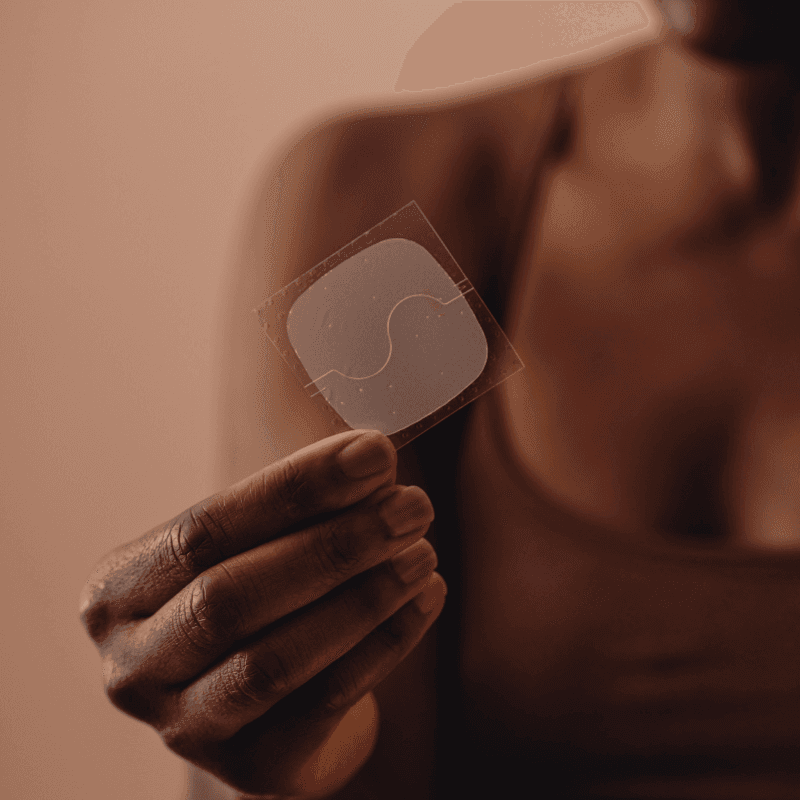


Regular follow-up and ongoing support





Everything you want to know about PCOS
Yes. Many women with PCOS do not have visible cysts on ultrasound. PCOS is diagnosed based on a combination of symptoms, hormone patterns, and cycle history rather than ovarian appearance alone.
PCOS is diagnosed using clinical criteria that consider menstrual patterns, symptoms of androgen excess, and hormone blood tests. Ultrasound may be helpful in some cases but is not always required.
Diagnosis often takes time, particularly if symptoms are subtle or fluctuate.
Yes. PCOS can be present from adolescence or become more noticeable later due to hormonal changes, stress, weight changes, or insulin resistance. Some women are diagnosed in their 30s or 40s after years of unexplained symptoms.
PCOS can affect ovulation, which may make it harder to conceive for some women. However, many women with PCOS do conceive naturally or with support.
Specialist care helps clarify ovulation patterns and supports fertility planning where needed.
A new patient menopause specialist consultation is £295 for 45 minutes. Follow-up options are £225 for 30 minutes.
Yes. Our doctors at Menopause Care are British Menopause Society-accredited and appear on the BMS specialist register.
No. You can self-refer for a private appointment. Clinic letters can be shared with your GP if you wish.
Yes. Online consultations provide access to experienced perimenopause clinicians across the UK, with the same clinical standards as in-person appointments.
Menopause Care has clinics across the UK, including locations in London (Mayfair, Barnes, and Wimbledon), as well as Manchester, Sheffield, and Glasgow.
Your clinician will take a full medical history, discuss your symptoms in detail, and assess your individual risk factors. You will receive a personalised treatment plan and clear next steps, including options for lifestyle support, non-hormonal treatment, and hormone therapy where appropriate.
Hormonal treatment for PCOS is not the same as menopausal hormone therapy. It may involve cycle-regulating hormones or medications that support ovulation, reduce androgen effects, or protect the womb lining.
Your clinician will explain which options are appropriate for you.
Yes. PCOS can be associated with insulin resistance, type 2 diabetes, cardiovascular risk, and endometrial changes if cycles are very infrequent.
Ongoing care focuses on both symptom control and long-term health protection.
Yes. Some symptoms overlap, such as irregular cycles, acne, mood changes, or weight shifts. Specialist assessment helps distinguish between PCOS, perimenopause, or a combination of both.
PCOS is a long-term condition, but symptoms can usually be managed effectively with the right support. Treatment is personalised and reviewed over time to remain appropriate.
No. PCOS care is not only about fertility. Support is available for symptom management, cycle regulation, metabolic health, and overall wellbeing at any stage of life.
That is completely fine. Many people want clarity first. The first appointment is designed to give you a clear clinical assessment and a personalised plan, even if you decide not to start treatment straight away.
You may benefit from specialist advice if your periods are irregular, symptoms are affecting daily life, previous treatments have not helped, or you want a clearer understanding of your hormones and long-term health.
Yes. Menopause Care provides medical treatment directly through our in-house pharmacy service (GPhC Registration: 9012909), ensuring you receive your care safely, conveniently, and without delay. Our clinicians review your progress regularly and tailor your medication journey to your individual needs, so you can feel confident that your care is both personalised and seamless.