


Expert menopause care, tailored around you
Expert menopause care, tailored around you
Menopause affects every woman differently. For some women, symptoms build gradually. For others, changes in sleep, mood, energy, periods or confidence can feel sudden and difficult to understand.
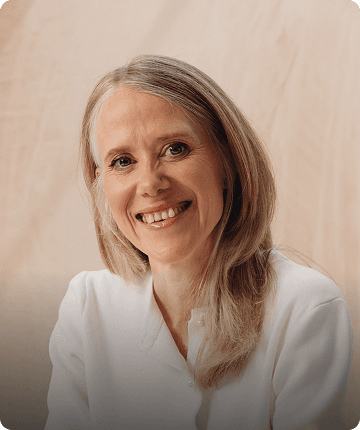
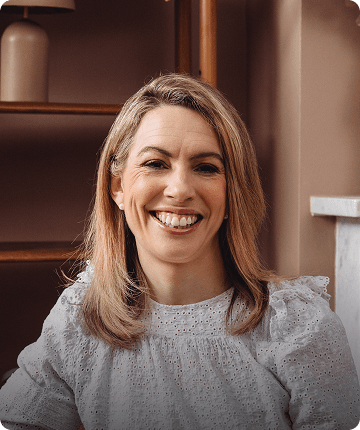
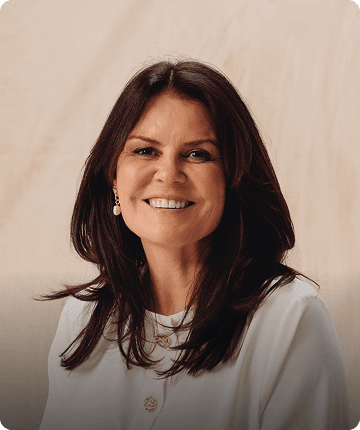
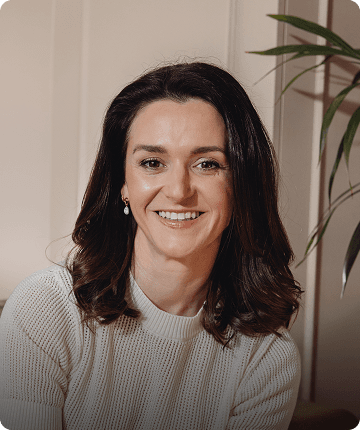
At Menopause Care, we provide specialist menopause care from doctors who specialise in menopause. All of our doctors are registered menopause specialists with the British Menopause Society (BMS), with dedicated training and experience in assessing and treating menopause-related symptoms.
Our approach is simple: listen carefully, understand your individual circumstances, and work with you to find the most appropriate treatment and support.



BMS accredited menopause specialists, available online and in person

Personalised treatment plans based on your symptoms and medical history

A dedicated support team to help coordinate tests, prescriptions and follow up
Safe use of regulated, body identical hormone therapy where appropriate
Whole person care that considers your lifestyle, work, family and future health
BMS accredited menopause specialists, available online and in person
Personalised treatment plans based on your symptoms and medical history
A dedicated support team to help coordinate tests, prescriptions and follow up
Safe use of regulated, body identical hormone therapy where appropriate
Whole person care that considers your lifestyle, work, family and future health

Founded in 2019 by Dr Naomi Potter
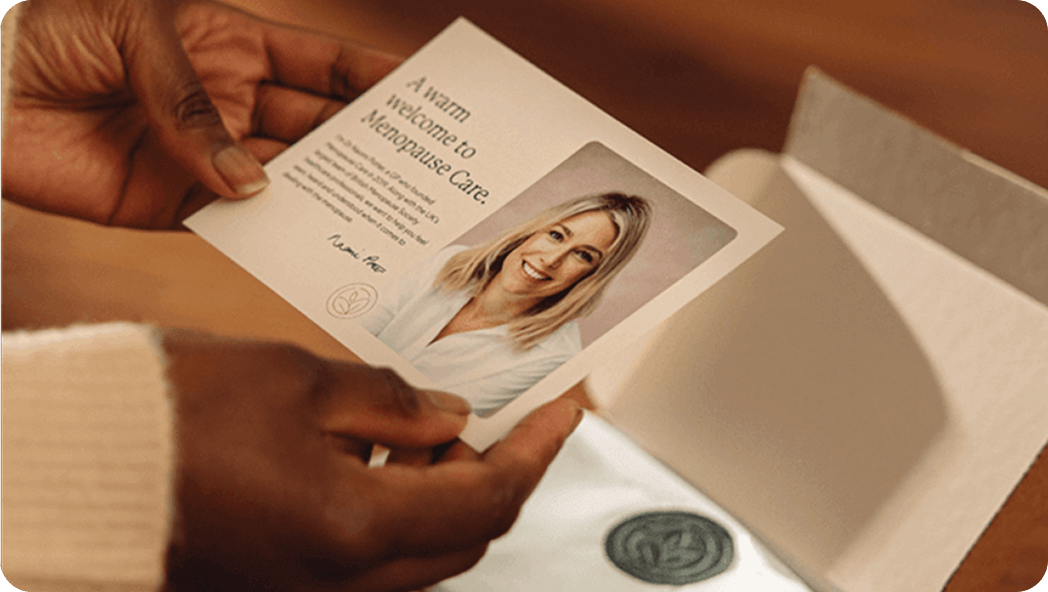
Menopause Care was founded by Dr Naomi Potter, a BMS registered menopause specialist, with the aim of providing women with access to high-quality menopause care from doctors who specialise in this area.
Today, our team of menopause specialists supports women across the UK with evidence-based advice, personalised treatment and ongoing clinical support.


Menopause is complex, and every woman’s experience is different
There is no single way to experience menopause.
Hormonal changes can affect many areas of health, including sleep, mood, concentration, energy, sexual wellbeing, bones and cardiovascular health. Symptoms can also overlap with other conditions, which is why a careful assessment is so important.
Seeing a menopause specialist means your care is guided by someone who understands the complexities of this stage of life, including how symptoms change over time and how different treatment options may fit into your wider health picture.
We take a holistic approach
Your menopause is unique to you. We believe your treatment should be too. Drawing on years of medical experience and specialist knowledge, we’ll always recommend the best solution based on your history, lifestyle and personal preferences.

Doctors experienced in hormonal, mood and wellbeing concerns. Book a consultation with a menopause specialist.

Hormonal and non-hormonal options as clinically appropriate. We can help you feel more 'you' again.

Care tailored to your symptoms, history and goals, with lifestyle, nutritional and psychological strategies

Regular follow-up and ongoing support. Empower yourself to deal with perimenopause and menopause.

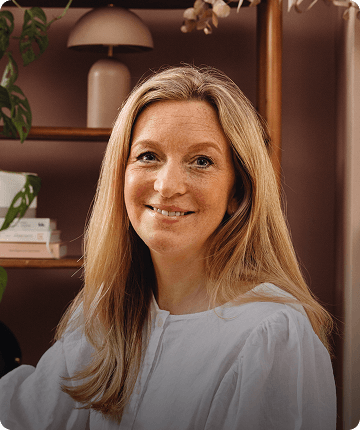

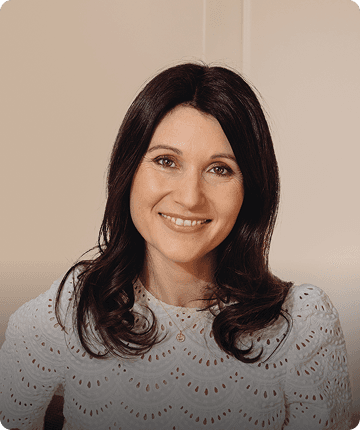
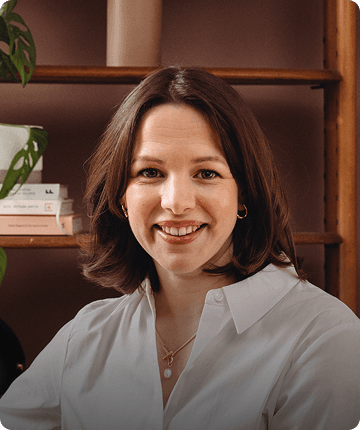
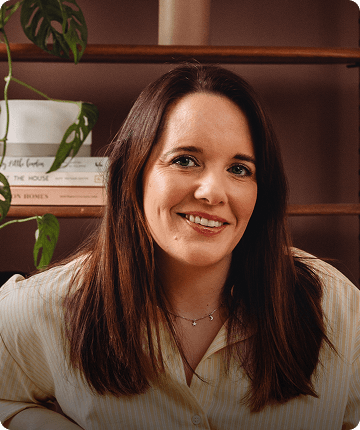



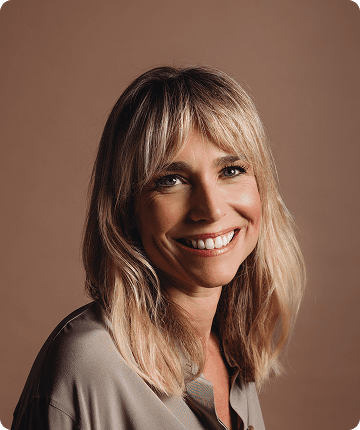
How we can help: Our areas of expertise
Menopause is a stage of life that can involve many different changes. O
Some women need support understanding common menopause symptoms. Others come to us with more complex health considerations, such as early menopause, surgical menopause, previous cancer treatment, PCOS or concerns about weight, nutrition and wellbeing.
Our menopause specialists take the time to understand the full picture, including your symptoms, medical history and individual circumstances, to help you make informed decisions about your care.
Perimenopause and menopause symptoms

Perimenopause is the transition before menopause, when hormone levels begin to fluctuate. It can start several years before periods stop and symptoms can vary significantly from one woman to another.
Some women notice changes in their periods, while others experience symptoms such as:
- disrupted sleep
- anxiety or low mood
- brain fog and difficulty concentrating
- changes in energy levels
- hot flushes and night sweats
- changes in libido
- aches and joint symptoms
Because these symptoms can overlap with other health conditions, a careful assessment is important. Our doctors help you understand what may be happening, discuss treatment options including HRT where appropriate, and provide ongoing support as your needs change over time.

Surgical menopause
Surgical menopause occurs when both ovaries are removed, often as part of treatment for conditions such as endometriosis, ovarian cysts or cancer risk reduction.
Unlike natural menopause, where hormone changes usually happen gradually, surgical menopause can result in a sudden drop in hormone levels. This can lead to more immediate symptoms and requires careful consideration of treatment options.
Our specialists provide guidance on symptom management, hormone treatment where appropriate, and longer-term health considerations including bone, cardiovascular and cognitive health.
Premenstrual syndrome (PMS)
For some women, symptoms before their period can have a significant impact on quality of life. Premenstrual syndrome (PMS) involves symptoms that occur in the weeks before a period and may include changes in mood, anxiety, irritability, sleep difficulties and physical symptoms.
Understanding the timing and pattern of symptoms is an important part of assessment. Our specialists help women explore treatment options and understand how hormonal changes may be contributing to their symptoms.

Early menopause and premature ovarian insufficiency (POI)
Menopause before the age of 45, and particularly before the age of 40, can raise different considerations around symptoms, fertility, bone health and long-term wellbeing.
Premature ovarian insufficiency (POI) is a condition where the ovaries stop functioning as expected before the age of 40. It can have physical, emotional and practical implications, and often requires specialist input.
Our doctors provide support with treatment options, hormone replacement where appropriate, fertility considerations and long-term health planning.
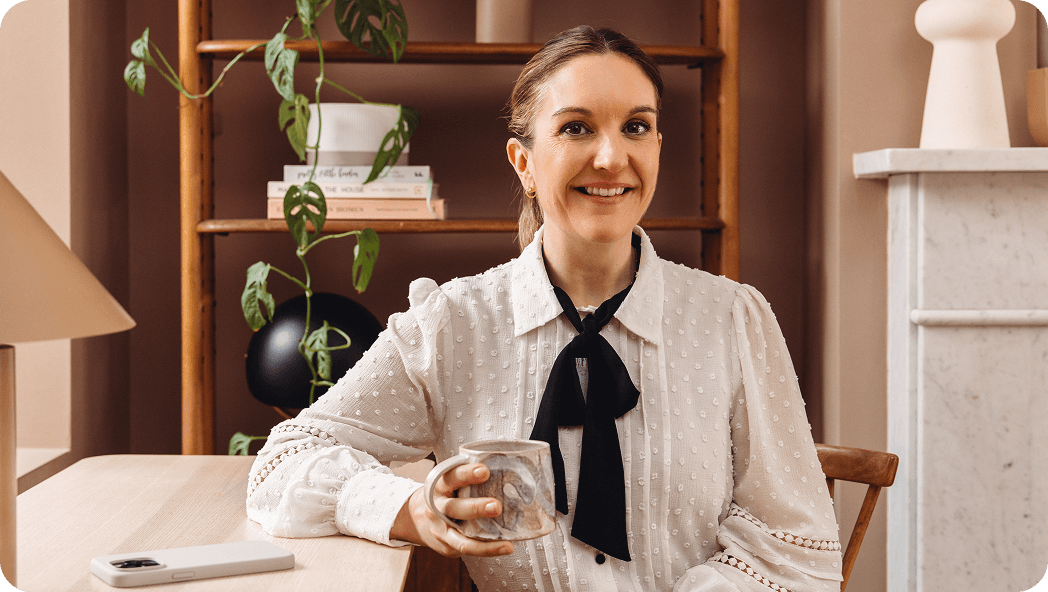
Menopause after cancer treatment
Menopause following cancer treatment can raise additional questions and concerns.
Some women experience menopause symptoms after chemotherapy, surgery or treatments that affect ovarian function. Decisions around hormone therapy can also require specialist discussion depending on the type of cancer, treatment history and individual risk factors.
Our doctors provide specialist menopause advice for women before, during and after cancer treatment, working within current evidence and alongside your wider medical team where needed
PCOS and hormonal health
Polycystic ovary syndrome (PCOS) is a complex hormonal and metabolic condition that can affect periods, fertility, skin, weight, insulin sensitivity and long-term health.
Women with PCOS may have different considerations when approaching perimenopause and menopause, particularly around metabolic health and cardiovascular risk.
Our doctors consider PCOS as part of the wider picture, helping you understand your symptoms and develop an appropriate approach to treatment and long-term health.
Weight, nutrition and metabolic health
Changes in hormones during midlife can affect body composition, appetite, energy levels and how the body stores fat.
Managing weight during this stage of life can feel challenging, particularly when previous approaches no longer seem to work in the same way.
Our team includes clinicians with expertise in nutrition, weight management and metabolic health. Where appropriate, we can support women with evidence-based approaches, including lifestyle strategies and medical weight management options such as GLP-1 treatments.
Weight management is considered alongside your wider health, symptoms and goals, rather than as a standalone issue.
Testosterone therapy for women
Testosterone is naturally produced by women and plays a role in sexual wellbeing, energy, motivation and overall quality of life.
Some women experience changes in libido during menopause that may be related to changing testosterone levels.
Our doctors assess whether testosterone treatment may be appropriate, considering your symptoms, medical history and individual circumstances.
Where prescribed, testosterone is monitored carefully as part of your wider menopause care plan.
Mental health, CBT and wellbeing support
Hormonal changes during perimenopause and menopause can affect mood, sleep, stress response and emotional wellbeing.
Some women experience increased anxiety, low mood, irritability, reduced confidence or difficulty coping with everyday demands.
Alongside medical menopause care, we offer access to psychological support, including cognitive behavioural therapy (CBT), CBT for insomnia (CBT-I) and hypnotherapy where appropriate.
This can provide additional tools to support sleep, mood and adjustment during this stage of life.

Accessing specialist menopause care
Expert menopause support, wherever you are
Finding specialist menopause care locally is not always straightforward.
Menopause Care allows you to speak with a BMS registered menopause specialist doctor through secure online consultations, with selected face-to-face appointments available at clinics across the UK.
Whether you choose to be seen online or in person, you will have time to discuss your symptoms, medical history and treatment options with a doctor who specialises in menopause.
Where appropriate, prescriptions can be delivered directly to your door, helping you continue your care more easily.
Patient Reviews: Experiences of Menopause Care
Every woman’s experience of menopause is different. Our patients often share how helpful it has been to speak with a doctor who specialises in menopause and has the time to understand their individual symptoms and concerns. Menopause Care is rated highly by patients on independent review platforms, including Trustpilot and Doctify.


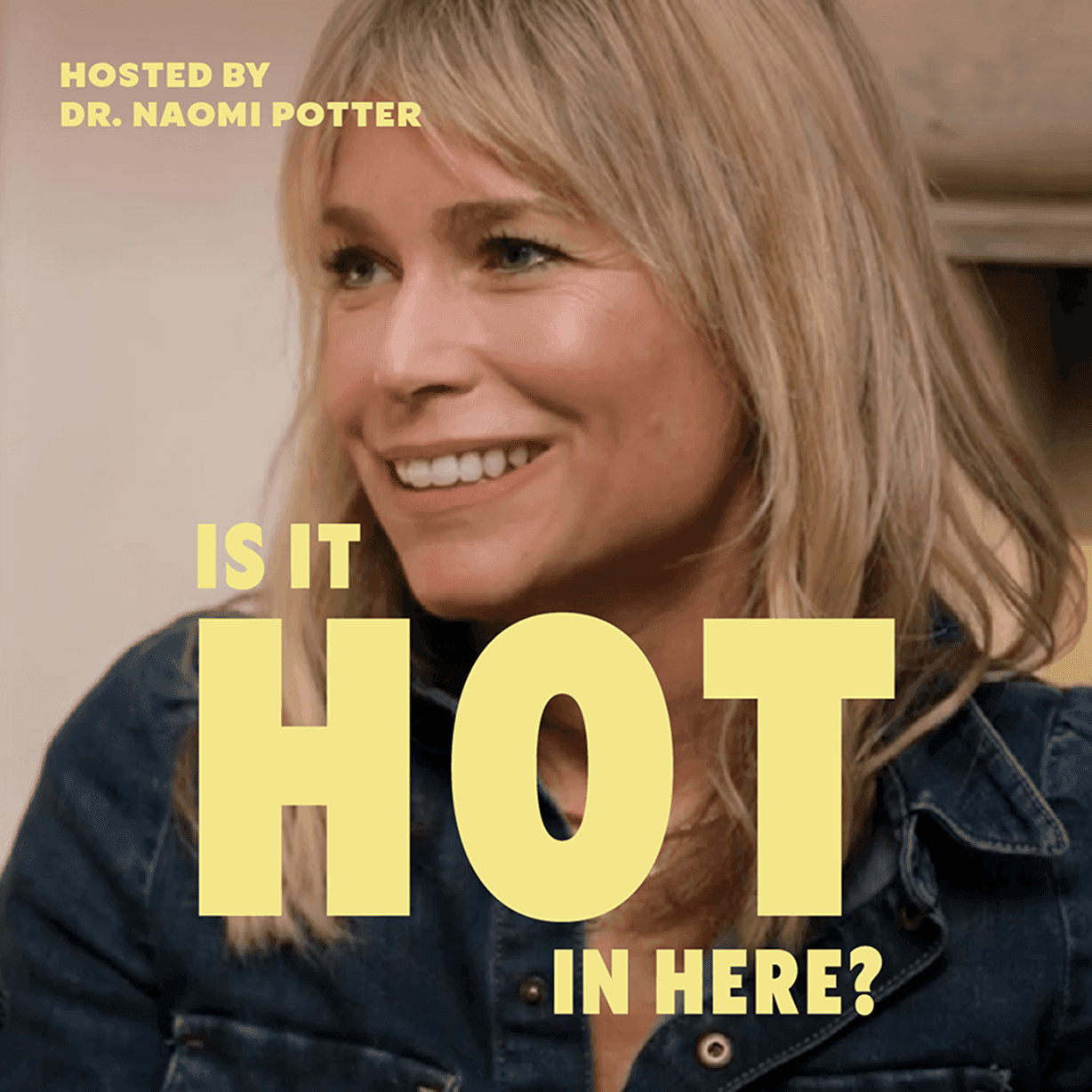
Dr. Naomi Potter's Podcast: 'Is It Hot In Here?'
Outside the clinic, Naomi is a leading voice in women’s health. She hosts the “Is It Hot In Here?” podcast and regularly speaks with experts and women from all walks of life to demystify menopause and challenge outdated myths.
Tune in to hear Dr. Potter interview world-leading experts and familiar faces. Together, they break down stigmas, bust myths, and answer the burning questions you were too afraid to ask.
In the media
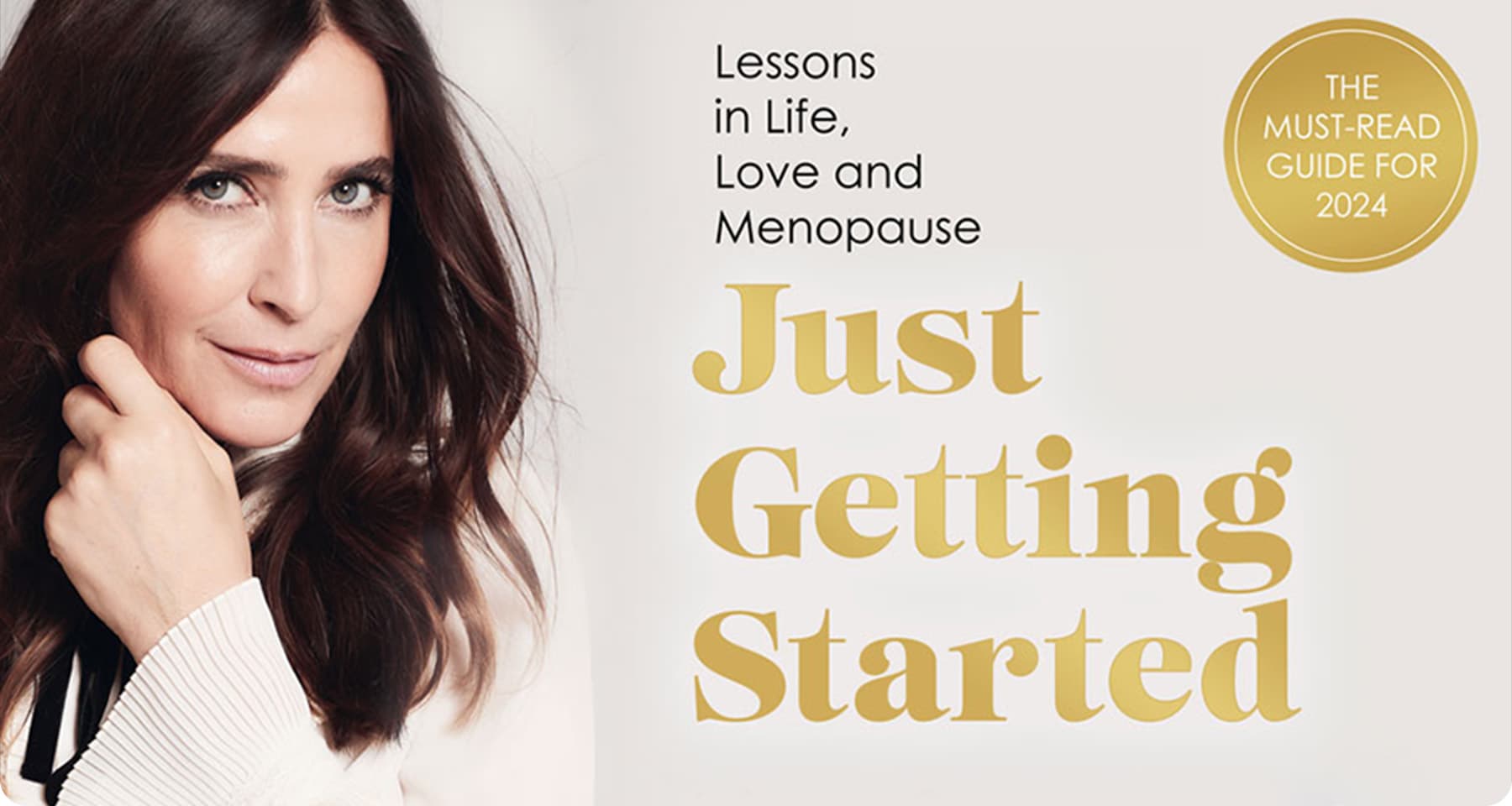
Lisa Snowdon has collaborated with Dr Naomi Potter, in her new book ‘Just Getting Started : Lessons in Life, Love and Menopause’

Naomi has joined UK TV presenter Davina McCall to write a new book, Menopausing: a frank and taboo-busting guide to menopause.
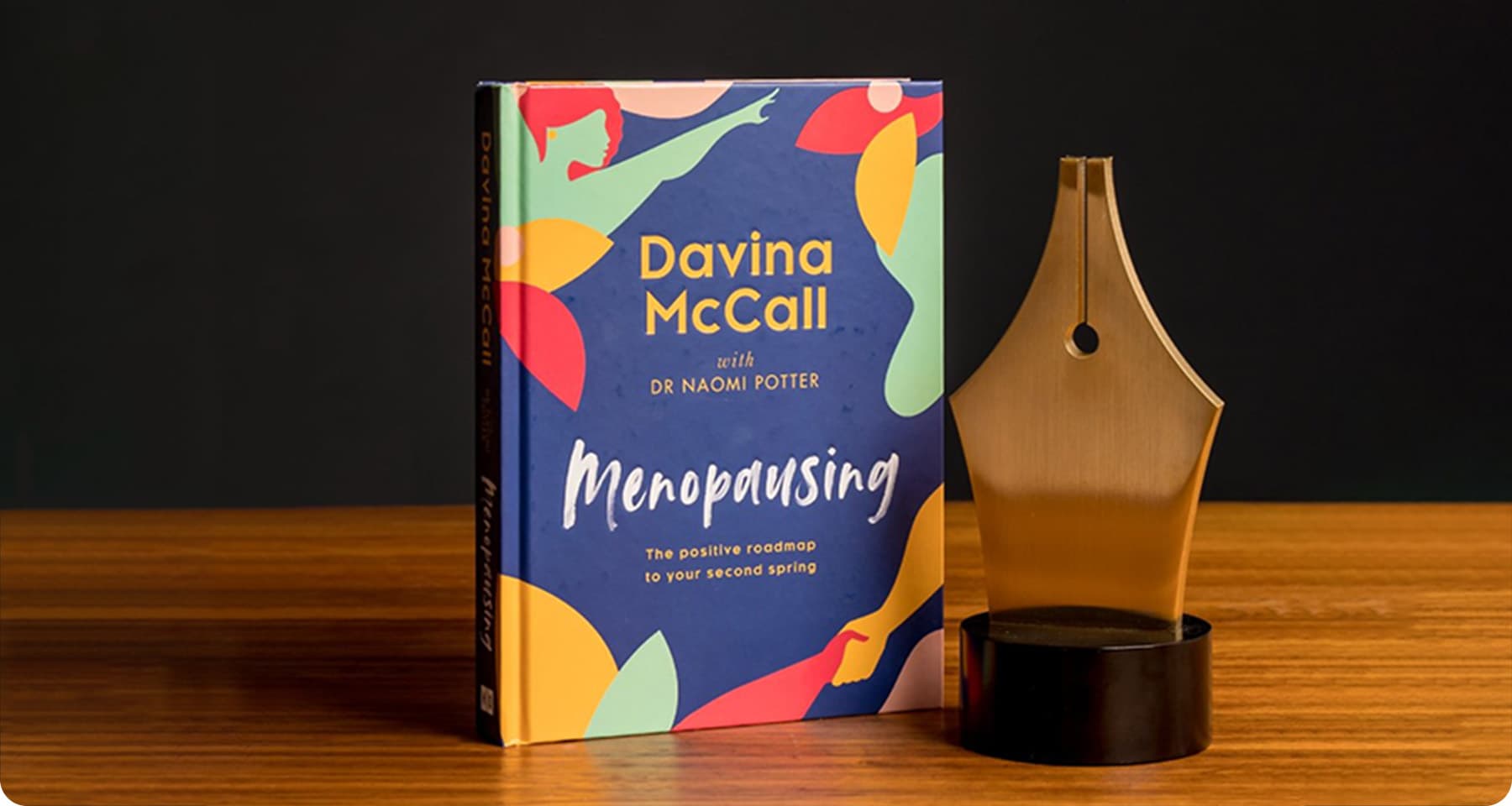
Winner of two British Book awards’ Book of the Year 2023 ‘ and ‘Best lifestyle Book’.

Featuring on the BBC speaking out about Menopause and the book she co-wrote with Davina McCall.
Join Our Community

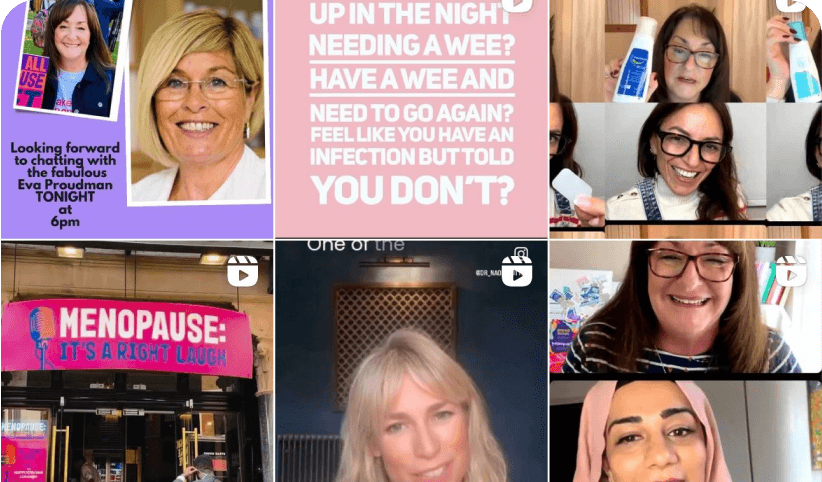

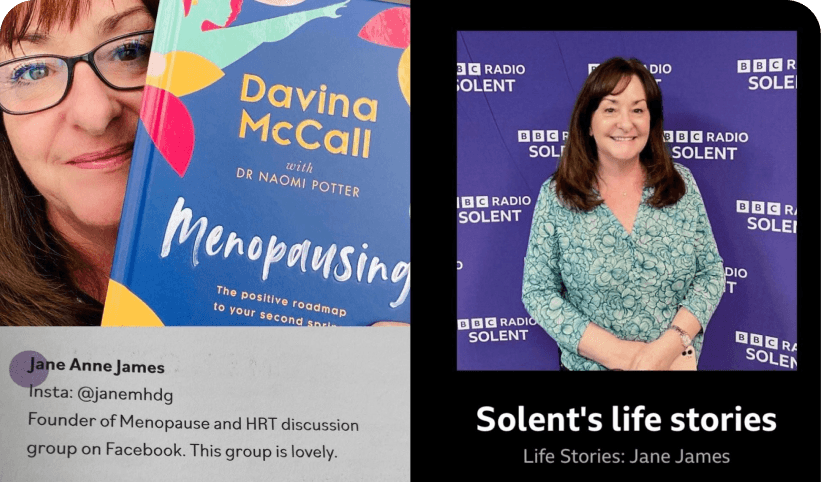
The Menopause & HRT Discussion Group on Facebook began over a decade ago, after my own experience of struggling with severe symptoms following ovarian surgery. At the time, support and reliable information were hard to find, so I created a space where women could share experiences and access the guidance I had been looking for myself.
Stay in touch
Join our mailing list to be updated on upcoming webinars, relevant news, and helpful information from our specialists