


Anxiety in menopause
Anxiety in menopause
Anxiety is one of the most common symptoms of menopause. Find out more about what causes it, possible treatments, and how we can help.

Medically reviewed by Dr. Liz Andrew
BMS Accredited Doctor
 Reviewed: 08/01/2025 Published: 09/01/2025
How common is this symptom?
10-15%
Of menopausal women report experiencing anxiety
15-50%
Of perimenopausal and postmenopausal women report experiencing anxiety
40%
Increased risk of experiencing anxiety during peri-menopause
Ref: https://committees.parliament.uk/writtenevidence/39340/pdf/
https://www.theguardian.com/society/2024/may/01/perimenopausal-women-have-40-higher-risk-of-depression-study-suggests

What is anxiety?
Anxiety is a feeling of unease, worry, or fear, often accompanied by physical symptoms such as a racing heart, shortness of breath, or dizziness. It can feel persistent and hard to explain, and for many women, it arrives without any obvious external cause.
For a significant number of women, anxiety is the first sign that something hormonal is changing. It can appear before periods become irregular, before hot flushes begin, and long before menopause feels like a relevant word. The brain is highly sensitive to fluctuations in oestrogen and progesterone. These hormones influence the neurotransmitters that regulate mood and stress responses, including serotonin and GABA. When they begin to shift, the effect on how you feel can be profound.
This is not a psychological response to getting older. It is a biological one.
Learn more about this symptom
A few lifestyle tips that can help
- 1
Practice deep breathing
Take five minutes each day to focus on your breath. Deep breathing helps to activate the parasympathetic nervous system, calming your body and reducing anxiety.
- 2
Stay active
Incorporate regular exercise into your routine. Even a 15-minute walk can help to reduce anxiety by releasing endorphins and improving overall mood.
- 3
Create a sleep routine
Anxiety often worsens with poor sleep. Establish a relaxing bedtime routine, limit your caffeine intake in the afternoon, and aim for consistent sleep hours.
How we can help
At Menopause Care, we specialise in helping women navigate the emotional and physical challenges of menopause, including anxiety. Here is how we can assist:
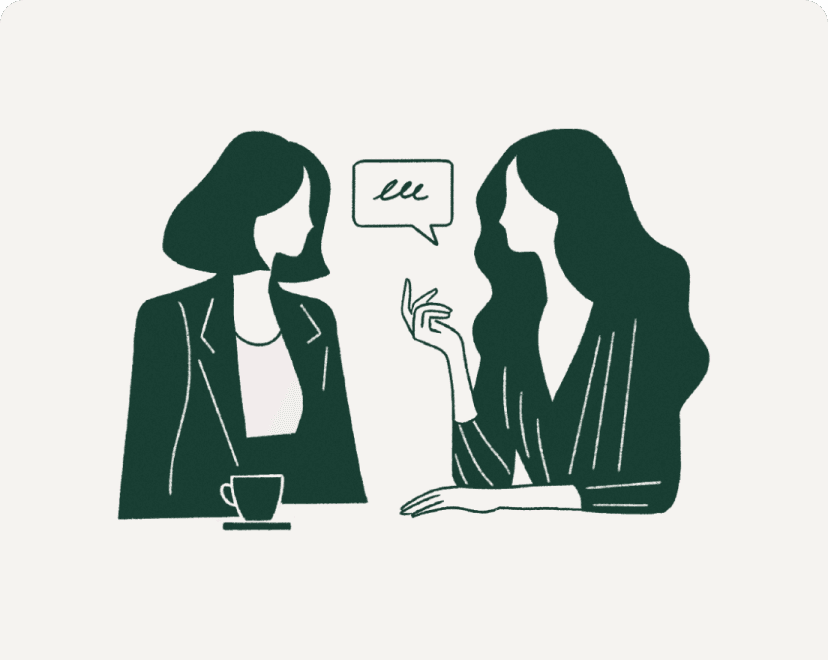
Our expert team will listen to your concerns, assess your symptoms and recommend treatment options tailored to your needs. Whether it’s HRT, alternative medication or a holistic treatment plan, we are here to help you feel better.
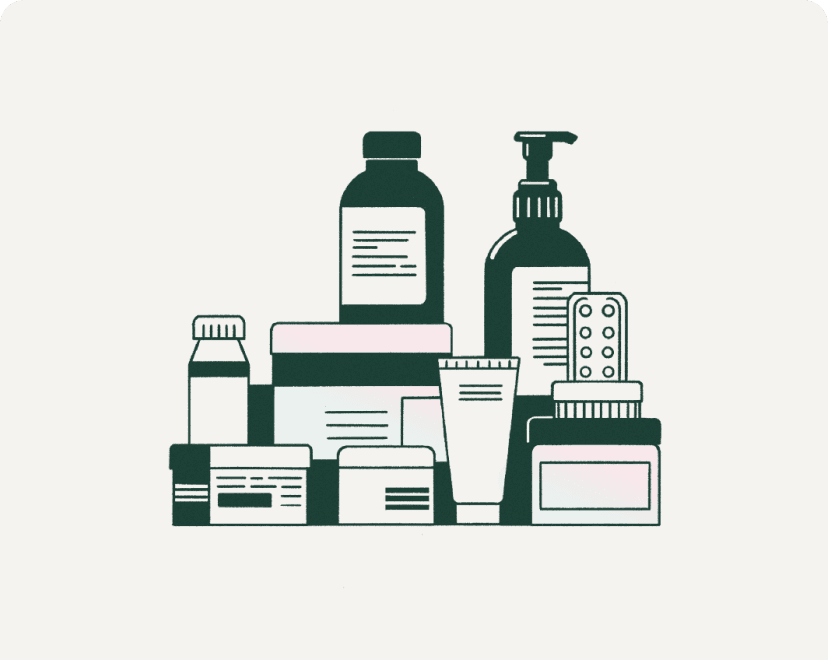
We do not take a one-size-fits-all approach. Treatment for anxiety in perimenopause may involve HRT, adjustment of existing hormonal treatment, non-hormonal medication, psychological support, or a combination. Your plan is built around you and reviewed over time as your symptoms change.

Managing hormonal symptoms is an ongoing process. For women who want more consistent clinical oversight, particularly during the perimenopause phase when symptoms can fluctuate considerably, we offer also a monthly doctor subscription that provides continuity with the same clinician.

Stay updated
Join our mailing list to be updated on upcoming webinars, relevant news, and helpful information from our specialists