


Heart palpitations in menopause
Heart palpitations in menopause
Heart palpitations are sensations of a fluttering, racing or pounding heartbeat. These episodes can feel sudden and unsettling, often occurring alongside other menopausal symptoms like hot flushes or anxiety.

Medically reviewed by Dr. Laura Cawley
BMS Accredited Doctor
 Reviewed: 05/01/2025 Published: 06/01/2025

How common is this symptom?
1 in 4
Women experience menopause-related heart palpitations
8-16 beats per minute
Menopause heart palpitations can increase heart rates by 8–16 beats per minute
42%
Of perimenopausal women experience heart palpitations
Ref: https://pmc.ncbi.nlm.nih.gov/articles/PMC9289918/#:~:text=Many%20menopause%20symptom%20checklists%20include,postmenopausal%20women%20report%20having%20palpitations https://www.mymenopausecentre.com/symptoms/heart-palpitations/ https://www.medicalnewstoday.com/articles/317700#when-to-see-a-doctor

What are heart palpitations?
Heart palpitations are noticeable changes in your heartbeat. These may include:
- A fluttering or pounding sensation in your chest
- A racing heart rate
- A feeling that your heart is skipping beats
These episodes can occur without warning, lasting for just a few seconds or longer, and can feel particularly alarming, even though they are often harmless and linked to hormonal changes of menopause.
Learn more about this symptom
The primary cause of heart palpitations during menopause is declining oestrogen levels. Oestrogen plays a key role in maintaining cardiovascular stability by regulating blood vessels and heart rate. As levels drop, your heart can become more sensitive to changes, leading to palpitations.
Other contributing factors include:
- Anxiety and stress: Hormonal shifts can heighten feelings of anxiety, which can exacerbate heart palpitations.
- Hot flushes: Palpitations often accompany hot flushes, causing a temporary increase in heart rate and body temperature.
- Lifestyle factors: Caffeine, alcohol, smoking, poor hydration and sleep disturbances can all act as triggers.
- Thyroid changes: Thyroid dysfunction, which can occur around menopause, may also contribute to heart palpitations.
Hormone Replacement Therapy (HRT) can be particularly effective for managing palpitations by stabilising hormone levels. HRT helps to:
- Regulate your heart rate and reduce the frequency of palpitations.
- Improve associated symptoms like hot flushes and anxiety that may trigger episodes.
Additional medical treatments
If palpitations persist, a healthcare professional may recommend:
- Beta blockers or other medications to manage your heart rate.
- Blood tests to check for thyroid issues or electrolyte imbalances.
- Further investigations such as an ECG (Electrocardiogram) to look at the palpitations in more detail
- Relaxation techniques: Deep breathing, mindfulness and meditation help calm the nervous system and regulate heart rate.
- Hydration and nutrition: Drink plenty of water and avoid excessive caffeine, alcohol and spicy foods.
- Regular exercise: Gentle, regular exercise like walking, yoga or swimming can reduce stress and improve cardiovascular health.
- Sleep hygiene: Prioritise quality sleep to minimise fatigue and stress that can trigger palpitations.
A few lifestyle tips that can help
- 1
Practice deep breathing
Take 5-10 minutes to practise deep breathing when you feel palpitations coming on
- 2
Maintain a healthy diet
Reduce caffeine and alcohol intake to minimise potential triggers.
- 3
Regular exercise & hydration
Stay hydrated and aim for regular, gentle exercise, like a daily walk.
How can we help?
At Menopause Care, we specialise in helping women navigate the emotional and physical challenges of menopause, including heart palpitations. Here is how we can assist:

Our expert team will listen to your concerns, assess your symptoms and recommend treatment options tailored to your needs. Whether it’s HRT, alternative medication or a holistic treatment plan, we are here to help you feel better.
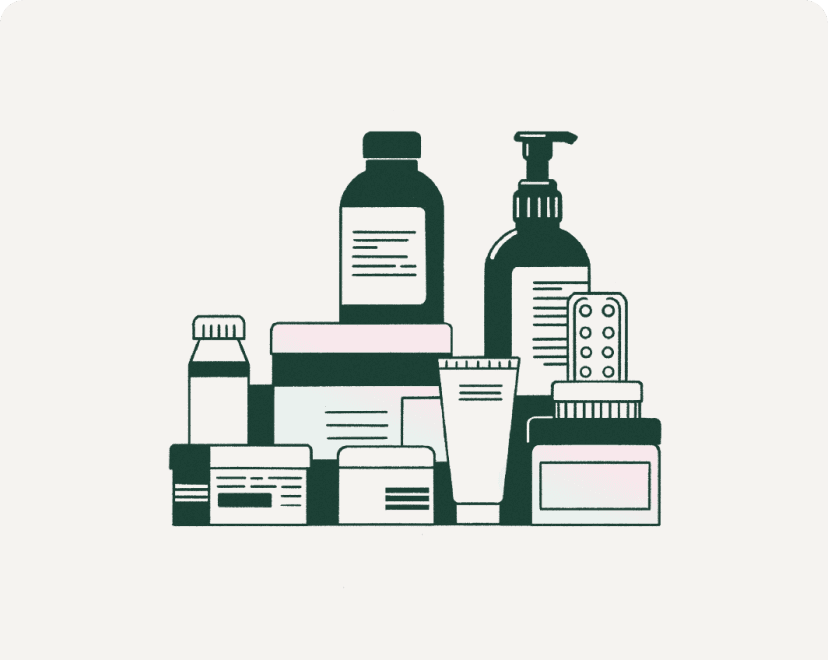
We provide personalised treatment plans that address not just this symptom but all aspects of menopause. We take a holistic approach to ensure you feel supported throughout your journey.

Managing menopause symptoms is an on-going process. We offer affordable monthly plans that cover your medication, follow-up appointments with the same doctor and more, to help you stay on track.


 Sheffield & online

 Knutsford & online
 Online only
 Norwich & online



 Wilmslow & online


 Barnes, Mayfair & online
 Colchester & online


Stay updated
Join our mailing list to be updated on upcoming webinars, relevant news, and helpful information from our specialists