
























Hormones and HRT
HRT risks & benefits
Worried about HRT risks? Unclear about the benefits? We answer your questions and provide expert advice.


Everything you need to know about the Mirena coil
The Mirena coil is is an intrauterine system (IUS). It is often used as the progesterone part of HRT for women who have a womb. It is as an excellent way of providing progesterone cover that also provides contraception and bleeding control.

Medically reviewed by Dr. Liz Andrew
BMS Accredited Doctor
 Reviewed: 28/02/2025 Published: 19/03/2025

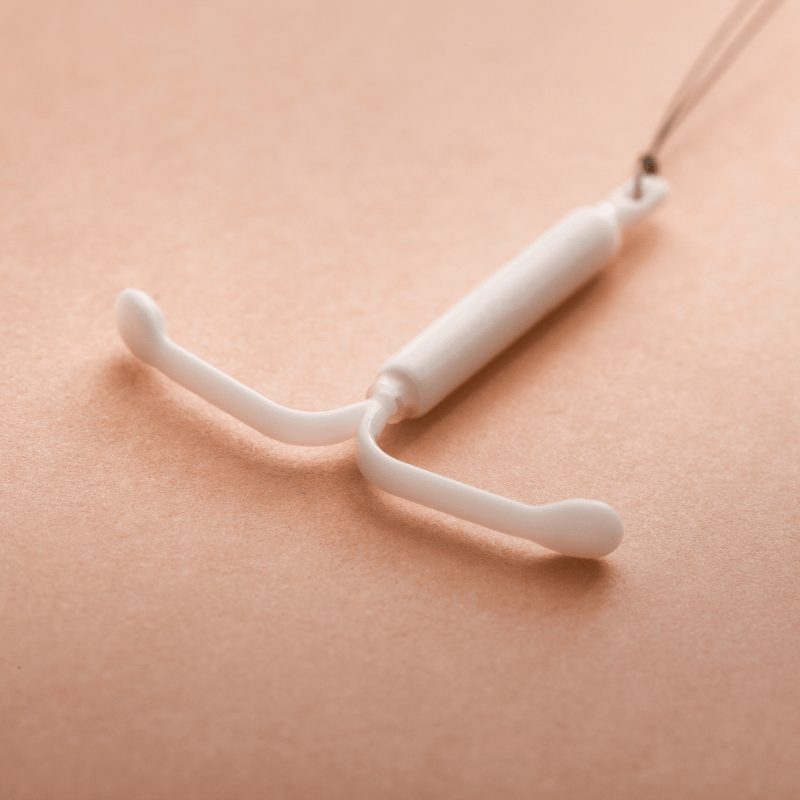
The Mirena is a small, plastic T-shaped device that is inserted into the womb and slowly releases progesterone into your body to protect the endometrium (lining of the womb). The Mirena coil can stay in place for up to five years when being used for HRT. When using a Mirena coil for contraception alone it can be effective for up to 8 years.
No, the progesterone in the Mirena coil (levonorgestrel) is not body identical. It is a synthetic progestogen, meaning it is designed to mimic the effects of natural progesterone but has a different structure. Body-identical progesterone, such as micronised progesterone (Utrogestan), is molecularly the same as the progesterone your body produces.
There is no strong evidence that the Mirena coil directly causes weight gain. Some people notice fluid retention or changes in appetite, but this is not universal. If you’re concerned about weight changes, it may be helpful to focus on overall lifestyle factors rather than the coil itself.
For contraception, the Mirena coil lasts for 8 years according to current UK guidelines. However, if it was fitted at age 45 or older, it can remain in place until menopause without needing replacement.
When used as part of HRT, the Mirena coil provides the necessary progesterone for only 5 years. After this time, if you’re continuing HRT, you will need either a new coil or an alternative form of progesterone.
The Mirena is fitted by a trained doctor or nurse in a quick outpatient procedure:
The whole process takes a few minutes. Discomfort is normal, but many women find it manageable. You can ask for pain relief, and the coil fitting clinic needs to provide that for you if you request it.
Removal is usually straightforward and takes just a few minutes:
Most women find this quick and only mildly uncomfortable. If the strings are not visible, a scan may be needed, and removal could be slightly more complex.
Considerations: Mirena vs Other Progesterone Options
Book a consultation to have your Mirena fitted
This can usually be done via your GP, in some areas there might be a slight wait time. On booking, ask about your pain relief options.
Go to your consultation for your Mirena fitting
Remember to follow the pain relief plan you discussed on booking.
Once fitted, start your oestrogen HRT
You can start your oestrogen HRT immediately after having the Mirena fitted. If you were taking another progesterone, you can now stop. You should let your prescribing doctor know about any changes to your contraception.


Dr. Laura Cawley and Dr. Liz Andrew explain the mirena in more detail in one of our latest webinars all about HRT and testosterone products. You can watch the fully recorded webinar on YouTube.

Most people tolerate the Mirena well as progesterone release is localised to the uterus and surrounding areas, but side effects can occur. These may include:
Many of these side effects settle within the first few months as your body adjusts. If they persist, it’s worth discussing alternative options with your doctor.


